Windham Life and Times – June 24, 2016

ROCK POND | PART FOUR

scan0727

A BOLT-HOLE WHERE THE CHIEF COULD KICK BACK AND RELAX.

Willis Low was first appointed to the police force before 1941. In the early days, there was no police station so, “most of the police strategy was discussed at the homes of whichever officer was in charge of the particular case. Most of the time it was either the chief’s house or the Zins kitchen. Here would be laid the plans for speed traps, searching a home or camp for stolen goods, etc., but especially careful plans would be made for raids on stills…”

“Most police calls were received by Willis Low with his mother, Mrs. Ethel Low, taking calls and relaying the messages to the other men on duty. This was all done by telephone. You can imagine the interest the neighbors took in town affairs when they heard a cop’s number ringing. All of them were on party lines and one was a sixteen party line with all sixteen rings heard in each home. After Willis married, he of course moved all his police records to his new home on Nashua Road and that is still considered Police Headquarters (1975). His wife took over the answering service and is still on the job although the volume of calls has increased so much there is now a hookup to the police building behind the fire station.”

low-rock-2

    Willis Low remained the chief into the 1970’s and experienced the tremendous growth in calls after the construction of Interstate 93. As you can imagine, there were times when the chief wanted to escape from all of the demands of the job, which as noted above followed him home. He wanted a place where nobody could find him. Rock Pond is very isolated and really hard to find, unless you know it’s there.  He bought the Harry Simpson cottage and updated it into a modern, comfortable summer home. This is the place where he could kick back and relax out of the public view.

The Harry Simpson Cottage (1929) was remodeled by Willis Low.

The Harry Simpson Cottage (1929) was remodeled by Willis Low.

Windham Life and Times – June 17, 2016

ROCK POND

rock-1

PART

THREE: THE BEST MEMORIES OF TIME SPENT ON THE POND

“Spring, summer and fall were the best times. Even though they (Moe and Lucien Caron) liked having there personal space, they were very social and encouraged anyone who was around to go over on weekends for outdoor grilling, swimming and boating. Lucien made a rotisserie capable of roasting very large chunks of meat or you could grill up shish kebabs on 3 or 4 spits. There were also French fries. Moe had a restaurant style fry-o-later with two baskets. That thing made the best fries. Saturday evenings at the pond, as well as in Nashua during the winter, was for baked beans. The uncles liked their beer too and after I graduated from Keene State, I set them up with a refrigerated draft system. This way they could drink better beer at a better price. (there was a metal scotty dog bank left out where people could donate money anonymously for the beer they had drank.) It also was one more thing that made this place great.”

rock-2

“My brothers and I were all boy scouts and one of the badges that was available was one called Mile Swim. It turns out that one lap around Rock Pond is a mile, so we all got our mile swim there; my uncles opened their place to anyone in our troop to come up for a day each year and swim for the badge. Uncle Lu made oak wood medals to hand out to those who made the swim.

“We had the coolest boats on the pond made from aircraft fuel drop tanks. The uncles built pontoon boats out of them. The paddle boat had a wooden deck sitting on two tanks. Standard folding chairs would fit into a channel that would keep them in place. A set of bicycle pedals were set up in front of the chairs with chains going below deck and another chain going to the back of the boat to a big paddle wheel. The rudder was operated by a lever control situated between the two chairs. The boat with the wood deck didn’t survive the years and those tanks eventually became floats for a dock.”

“The sailboat was all aluminum and still survives today. It had a sunken deck between the pontoons and a very large sail mounted at the front of the upper deck. The boat was heavy, stable and very fast on a windy day. Many people had manged to get a little bit of water to come over the deck but it was generally agreed that it could not be flipped over. I put an end to that when I was out there by myself one day. I got a good strong gust heading into a turn. I held the rudder tight into the turn, let out the sail and quickly pulled it back in as the turn was nearly completed. The front right side was dipping below the water and then the boat started to dive head first. It then flipped sideways and then upside-down.  I was fully clothed and nearly lost my glasses as I swam to the surface. About three row boats from around the pond came out to help. We had to unhook the mast while out in deep water so we could haul the boat close enough to shore. We were then able to flip the boat right side up and tow it back to Moe’s. We put the mast back on and it was ready for another day.”

“With all the fun things to do at Rock Pond, it was mostly fun because of my uncles. All the things were still there when they died but it just wasn’t the same any more. Fewer people came by and the family was spreading out around the country. One nephew moved to London for work. There were long stretches of no one going there at all. Eventually, it became clear that we just couldn’t sustain the vitality that once was. We still have our memories of the best times of our lives though. That lives on.” Thanks again to Bob Caron for the memories. This series on Rock Pond is almost over. Do you have old photos and stories to share? E-mail them to me.

Rock-3


Windham Life and Times – June 10, 2016

Rock Pond

PART TWO | WINTER ON ROCK POND

rock-pond-skate

    “The camps were seasonal and impossible to drive down to in the Winter so at the first sign of snow, they bugged out and went back to live with their sisters. As soon as it looked like Spring had gotten a foothold, they were back at Rock Pond. In the Winter, they would take us skating and ice fishing there. We would park at the end of Rock Pond Road and walk across the pond to their camps. This was a shorter hike than coming in from Woodbury Road which wasn’t plowed. We had a good bobsled run also from Lucien’s side right down to the pond. That led to a couple broken legs over the years.”

Cis, Dot, Joyce Skating 


Windham Life and Times – June 3, 2016

Rock Pond

PART ONE

Lucien, Moe and Their Family Build Two Homes on Rock Pond in the 1950’s

The two summer homes built by the Caron Brothers on Rock Pond in Windham NH

The two summer homes built by the Caron Brothers on Rock Pond in Windham NH

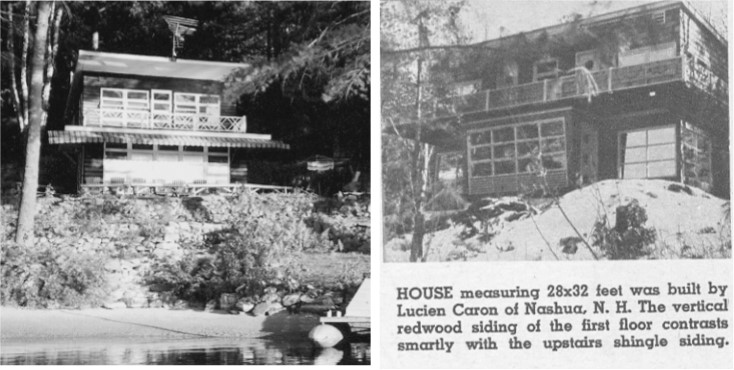
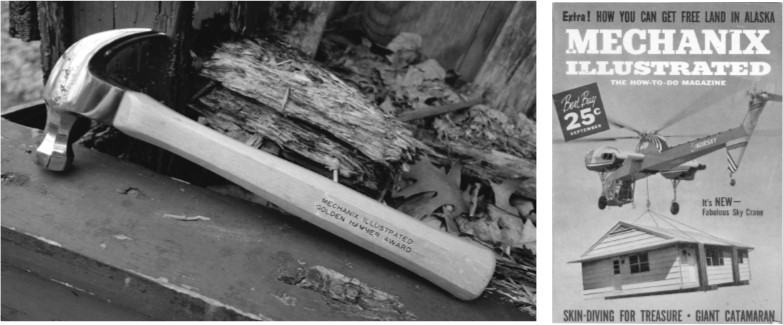
The Carons were a French Canadian family from Quebec who emigrated to Nashua NH. Robert Caron relates that, “Lucien and his older brother were born in Canada. My father, Moe and two sisters were born in Nashua. When my father got married, he bought a house in Nashua big enough for the whole family. We occupied the second floor apartment and my grandparents, and all the uncles and aunts lived downstairs. The oldest uncle moved out, Grandpa died and that left grandma, Moe Lucien, Cis, and Dot living together. After the war, the uncles must have felt the need for some personal space and found land on Rock Pond in Windham. They bought two lots at first but even that was too close so they bought another with no-man’s land between them. It seems they were looking for space but not too much space. They designed and built two houses with the help of my father and a few friends. Lucien was a wood worker, Moe was a machinist, and my father was an auto body mechanic. Between them, there was nothing they couldn’t build. The stone walls and stairways were built from stones that came from an excavation around Robinson Pond in Hudson. Moe had a dump truck at the time to move all the stones. Lucien was in charge of planing and milling the lumber for siding and interior trim work. Lucien submitted his house design to Mechanix Illustrated magazine and won their Golden Hammer award.”

Pictured below are the two summer homes that the Caron brothers built on Rock Pond. Moe’s is pictured on the left, and Lucien’s which won the Golden Hammer award is pictured on the right.

golden-2

“Mechanix Illustrated was an American magazine founded in 1928 to compete against the older Popular Science and Popular Mechanics. Billed as “The How-To-Do Magazine,” Mechanix Illustrated aimed to guide readers through various projects from home improvements and advice on repairs to “build-your-own (sports car, telescope, helicopter, etc).” It was headquartered in New York City. Although it featured many how-to articles, the most eagerly awaited and read features were Tom McCahill’s monthly automobile tests which ran from the late 1940s to the early 1970s.” Wikipedia


Windham Life and Times – May 27, 2016

Rock Pond

INTRODUCTION

Lucien Caron grilling on Rock Pond with his unhappy nephew Robert.

Lucien Caron grilling on Rock Pond with his unhappy nephew Robert.

Things have changed. It used to be that once Memorial Day hit, there would be released this pent up frenzy of activity, on the waterfront in Windham. Well, OK, there still is, to a degree, but it’s nothing like it was when the summer people were trying to squeeze in as much waterfront frivolity, family gatherings and buzzed activities as possible, with the little time they had to enjoy it. It was a time when summer floated on Budweiser, Schlitz and Narraganset, not craft beer, white wine and martinis. And food, there was always copious amounts of food, all of it bad for you! The smell of roasting meats on the barbecue, ethnic delicacies and home-made deserts wafted over the water.  There were buckets and boxes of Granite State Potato chips that you picked up warm in Salem, on the way to camp. Maybe in the morning your mother would pick out some whoopee pies or other treats from the back of the Cushman baker’s van. Ah, heaven! Family and friends packed the waterfront, chairs in a neat row overlooking the water. Time was spent on the screened porch or the yard, after all there was no air conditioning. You could hear the frivolity and laughter of all of the other people enjoying themselves around the shore of the pond or lake.

I still remember all the great people that rented summer cottages from my grandfather on Cobbett’s Pond. These were rustic affairs, with used furniture and bare stud walls, which had mellowed to a rich, reddish brown and all the cottages had huge screen porches facing the water. People lived on the porches and at night, they glowed with the ambience of a bare yellow light-bulb. There was a mixture of people from Lawrence, northern Massachusetts and Rockingham racetrack.  Horse owners, trainers and hard-working folks who also played hard. It wasn’t golf on the links, it was horseshoes and Bud. I still remember my friend’s Dad, coming home after working long hours as a pipe fitter, taking all of us out on the lake to go water-skiing. A beer in hand, he put up with us, as we asked to go again and again.

Now if you think it was all low brow you’d be mistaken. One of the best summer theaters in New England was located right on Range Road as was a pretty nine hole golf course. In New England, the point was that summer was short, and warm sunny days were few and far between. If you were paying the taxes and expense on a summer ”camp,” that you could use, maybe 3 months a year, you were going to make the most of every minute that you had on the water.

This summer, as the people of the lakes and ponds, lets make a commitment, to pay our respect, to our for-bearers in lakeside living. This year lets “go for the gusto” with non-stop partying, eating, drinking, boating, water-skiing, floating on rafts in the sun, sailing, skinny-dipping, nocturnal boat cruises away from prying eyes, fire-pits, and enjoying family, friends and neighbors. As a tribute to those who floated before us, let’s give it hell, along the shores of Windham’s lakes and ponds! Maybe we should turn off the AC and open the windows, and enjoy the sounds of boats and laughter as they pass in the night. None of us know what tomorrow will bring, a little joy in the small things is good for us all. Stop what you’re doing, stop worrying, crack open a beer and enjoy the moment! This little lecture is as much for me as for anyone else.

Happy Memorial Day

Go forth, grill meat and drink some beer, in memory of our lakeside for-bearers. And get a little too wild while your at it !

Many thanks to Robert Caron for the photographs and stories about his family and uncles Moe and Lucien on Rock Pond, in Windham.



Windham Life and Times – May 20, 2016

Edward Devlin

PART 4 – THE RAKU POTTERY PARTY

Windham May 21, 1974. The Eagle-Tribune.

By Sally Gilman

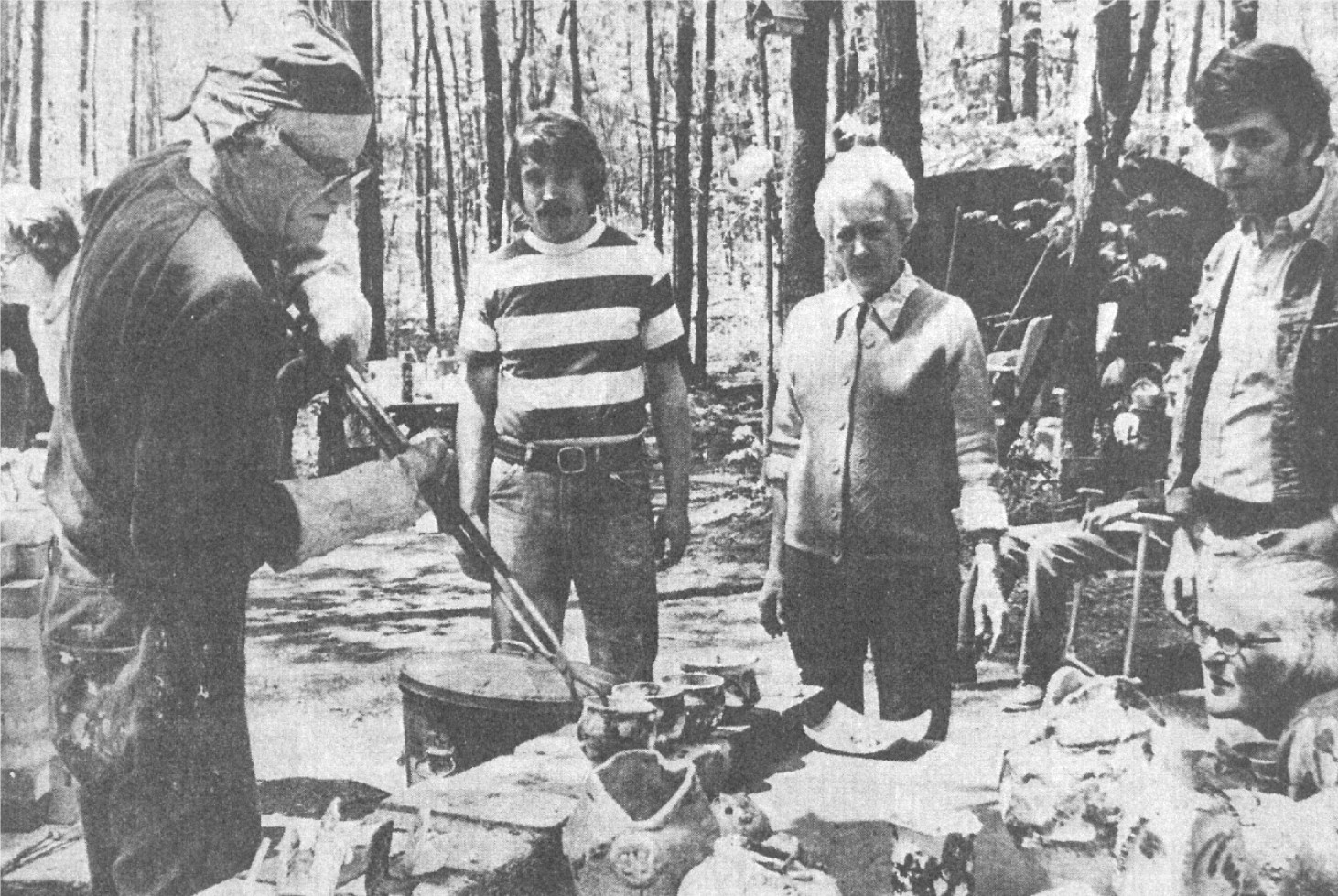
Ed Devlin and Edith Low with Raku pottery pieces.

Ed Devlin and Edith Low with Raku pottery pieces.


“When Edward and Pearl Devlin decided to throw a party for the Windham Arts Association, you could be sure it would be something quite different.”

“Since Devlin is a noted New Hampshire potter, he decided to have all the arts association members over to his studio for a Raku party.”

“Raku pottery had it origin in the tea bowls of the 16th century and the term “Raju” comes from the Chinese character meaning enjoyment, pleasure, contentment and ease.”

“Under the guidance of the Devlins, Raku was the ideal fun project for everyone.”

“Raku emphasizes the accidental and spontaneous and not the unblemished surfaces and sophisticated concepts in pottery.”

“The ground work for the Raku party was laid months ago, when Devlin gave each member of the local group a lump of clay and told them to go home and ‘Create.’ ”

“All sorts of containers, dishes, and plaques were turned out and brought to Saturday’s Raku party.”

“Working outside in old clothes, the members went up to their elbows in cans of glaze mixtures and dribbled paint of all colors over the clay objects, which had already dried and bisque fired by Devlin.”

“After the ‘potters for-a-day’  did their own glazing and decorative work on the pieces they were dried a second time.”

“Devlin using tongs, put the pieces into a glaze fire, leaving them there from 10 minutes to a half hour, depending upon the glaze composition and temperature.”

raku-2

“They were then removed with tongs and allowed to either cool off for subtle reduction effects on the metallic oxides and glazes, the red hot pot was put into a covered vessel containing combustible material. They were also put directly into cold water to freeze the glaze in a molten stage.”

“Devlin supplied everyone with some ‘practice’ pieces before they took on their original creations. The Windham Arts Association was so pleased with the final results, that it is planning to exhibit the Raku work at the Nesmith Library.”


Windham Life and Times – May 13, 2016

Edward Devlin

PART 3 – The Potter’s Craft in His Own Words.

devlin-wheel

     “ ‘Best therapy there is,’ said Edward Devlin as he looked up from his dripping ball of clay on his potter’s wheel. ‘You just work out your frustrations on this ball of mud and before long you are so busy feeling good about what you’ve made and forget about anything else that might have been bothering you. Everybody has an innate desire to make something– to create something that is his own; and nothing is more rewarding than working at something you love.’ ”

These are the words Mr. Devlin used to describe his own work, which he pursues each day in the little studio set back from the road in Windham.”

“ ‘Here you start at the beginning, and get your hands right in the medium. Every-time you make something that is altogether new…People today are more interested in doing what they want to do than what they must do. Young people want an outlet for self-expression, and older people want a chance to relax. They are looking for a gap in the rat race.’ ” Derry News, September 25, 1969.

     “ ‘I like making things with my hands. I like things that have a function and I hope that other people can get as much pleasure in using them as I do in making them.’ he said. ‘Some craftsman like to go on and on about artistic mumbo-jumbo. But I think that whole philosophical thing is a lot of hogwash.’ ”Eagle Tribune

He has had samples of his pottery exhibited in the Cleveland Museum, the Boston museum and Cochran Gallery in Washington D.C. He was an active member of the NH League of Craftsman

He has had samples of his pottery exhibited in the Cleveland Museum, the Boston museum and Cochran Gallery in Washington D.C. He was an active member of the NH League of Craftsman

     “ ‘He admits with a grin that his driveway is filled with things that didn’t turn out the way I wanted them.’ Accidents do happen and sometimes a piece will break…It’s best to know what you’ll find when you open the kiln, but sometimes something unexpected happens that is very nice. No matter what the effect, it’s gratifying to create something beautiful,’ he said.” “ ‘It’s a lucky man who works at what he likes to do best,’ he said, and rubbing his clay covered hands upon his huge apron he went on, ‘like me.’ ””

“Edward Devlin is Windham’s resident potter. Almost anyone in town can direct you to his home…‘These are mostly non-symmetrical pieces—the design motivated by organic growth and plant forms.’ Mr. Devlin said… Pottery can be divided into three general classes: earthenware, stoneware and porcelain. In Mr. Devlin’s studio are many examples of all three classes. But, he works primarily with stoneware, however. “I haven’t been doing too much work on earthenware lately. It involves too much preparing. I like the delicate colors of stoneware—there’s more refinement than in the colors of earthenware,’ he said.” “ ‘Freedom of expression.’ That is how Mr. Devlin sums up his interest in pottery…Sally Gilman, Eagle Tribune, March 18, 1969.


Windham Life and Times – May 6, 2016

Edward Devlin

PART TWO

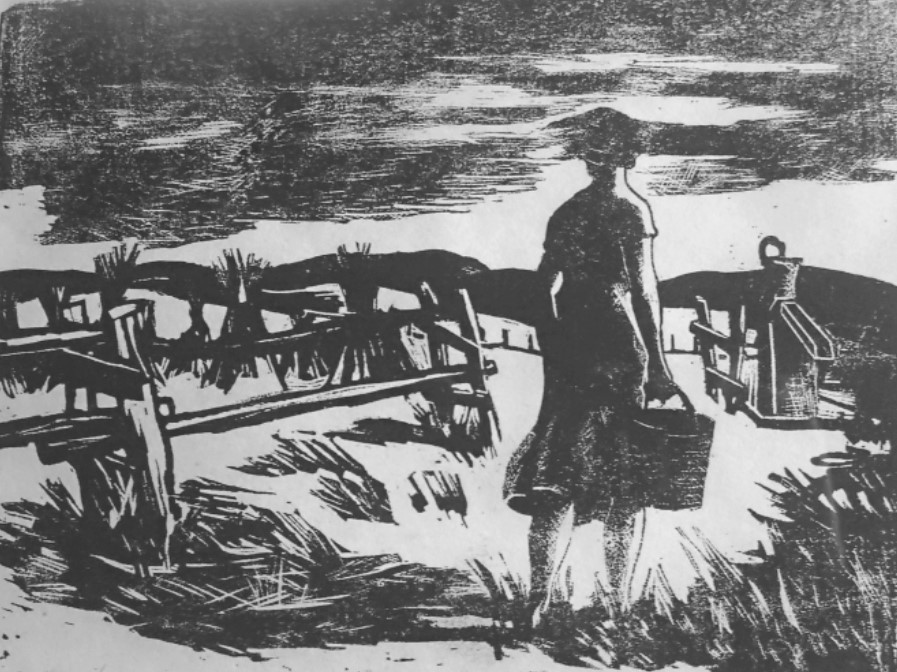
“In the print, Red showed his 19 year old bride walking through the fields in need of water for the strawberry plants. Life so naturally blended with the practical needs of family, that, over time, the gardens expanded, livestock increased, a new farm was bought, and five children were born. Her sole indulgence were flowers, wild and cultivated, where she found beauty after hours of toiling.” On their fiftieth wedding anniversary, Dad nicely summed up their life together when he gently said, ‘Could Not Be Better”. With a wide smile

“In the print, Red showed his 19 year old bride walking through the fields in need of water for the strawberry plants. Life so naturally blended with the practical needs of family, that, over time, the gardens expanded, livestock increased, a new farm was bought, and five children were born. Her sole indulgence were flowers, wild and cultivated, where she found beauty after hours of toiling.” On their fiftieth wedding anniversary, Dad nicely summed up their life together when he gently said, ‘Could Not Be Better”. With a wide smile

We know from Ed Devlin’s own words that “he was never quite satisfied with life in the big city saying ‘I’m a country boy at heart.’ He also was quoted as saying, “New York is just not my bag. It’s too fast a pace for me, the city’s too impersonal.” “And when his friend, George Lloyd called him to help paint the mural for Hamilton Smith Hall, at the University of New Hampshire, Devlin grabbed the offer.  ‘It was a good excuse to get out of New York…I liked New Hampshire so much I decided to stay.’ ”  This was in 1939-40 and the project was a massive mural.

“Artist George Lloyd was on a mission to find a ‘real’ farmer. It was the spring of 1939, and, having been commissioned to paint a mural about agriculture that would cover one entire wall inside Hamilton Smith Hall, he wanted to be sure he could depict a New Hampshire farmer accurately. With UNH agriculture professors as his guide, he soon found his models out in the fields, piecing together a way of life in the aftermath of the Great Depression—much the way he was doing, himself. Lloyd was one of the unemployed artists who had been hired under the auspices of the Federal Art Project branch of the Work Projects Administration, a national program created by U.S. President Franklin D. Roosevelt to provide productive work to some 8.5 million citizens in lieu of unemployment benefits. Coordinated by Manchester artist Omer T. Lassonde, at the time one of the country’s most influential modernist painters. The UNH project included three massive murals, eight feet high and 40 feet wide, in the three main rooms of UNH’s then-library. Lloyd’s ‘agriculture’ mural was to grace the reserve room.” UNH Today. According to the artist’s wife, “this is a mural on farming in New Hampshire, It deals with the four seasons of the year—Spring, Summer, Fall and Winter; and with the four main social institutions around which the farming community is centered—the Home, Town Meeting, School and Church…” UNH Today

“In order to stay in rural New Hampshire, Devlin had to give up his art career. ‘Back in the 40’s there was very little interest in New Hampshire for this sort of thing or with artwork in general. People didn’t have the money to get interested in it.’ He met his wife, Pearl, a native of New Hampshire, and settled down in Nottingham, working a small dairy farm. When their family grew with five children, they bought 100 acres plus in Windham NH.” “He was a farmer for 30 years before he could devote himself to his ‘real work.’ ” “His former art training has given him an artist’s eye for craftsmanship, but he credits farming experience for much of his pottery design. ‘The one thing I have strived for is that a piece not only have a shape, but that shape to have a vitality to it…to live and have appeal,’ he said, ‘It’s a sensitivity of form. My close association with nature, after 30 years of farming helped to develop it’ ”

“But Ed Devlin went back to art work as suddenly as he had left it. Remembering his work with Dedham Pottery where he painted decorations, he remembered an old hankering to learn the potter’s trade.”

“ ‘My daughter was studying pottery at the University of New Hampshire. It restimulated an interest that was in the back of my head,’ he said. ‘I worked with it between farm activities and the more I got into it, the more it interested me.’ ‘As the years went by. This (Windham)  was no longer a farming community. We finally got rid of the cows, then I put all my time into pottery.’ ”


Windham Life and Times – April 29, 2016

Edward Devlin

PART ONE: “WHAT DO YOU MEAN, YOU DON’T WANT TO BE A DOCTOR ?!”

eddevlinplate

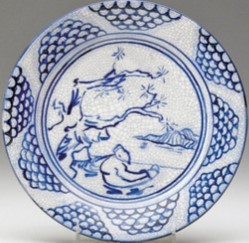
The plate shown above is described by the auction house as, “Dedham pottery crackleware, very rare plate painted by Ned Devlin, Asian inspired scene, 1934. Indigo Registered stamp, artist signature and date. Estimated at between $1,250 and $1,750.” (2008 auction)

Edward Devlin was born in 1912, a Boston native, he grew up in a comfortable home. His father had as they say, “pulled himself up by the bootstraps” and through hard work and determination had become a dentist. It was presumed in the Devlin household that owing to all the advantages given them, that all of the boys would enter the professions, preferably becoming doctors. We can only imagine the conversation, when Edward announced to his father, that he wanted to attend art school. That being said, his father must have recognized that he had “shown artistic inclinations from an early age.” Edward went on to “graduate from the School of the Museum of Fine Arts in Boston where he received a scholarship for painting in 1929.” He also attended Massachusetts Art Institute and studied sculpture at the Copley Society.

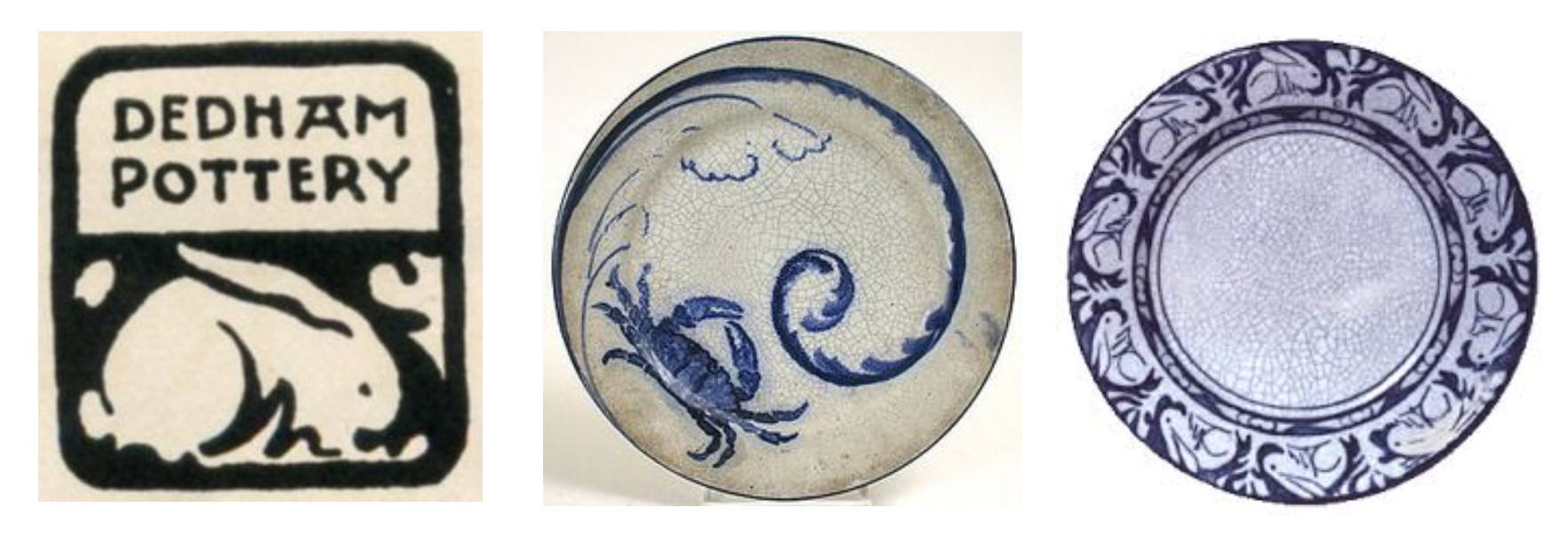
Ed began his career in the 1930’s as a decorator at the Dedham Pottery in Dedham, Massachusetts. When he worked for Dedham, he signed his work as Ned Devlin. While there he created Chinese landscape designs among other motifs. Dedham had been founded by a fifth generation Scottish potter named Hugh Robertson, and operated from 1896 through 1943. It was known for its high-fire stoneware characterized by a controlled and very fine crackle glaze with thick cobalt border designs. A Yankee Magazine article says of Dedham that, “This homage to the raw beauty of nature was never more apparent than during the Arts & Crafts movement. Its back-to-nature aesthetic rejected the industrialization of the late 19th century and embraced a return to the simplicity of handmade goods. American artists heard this call of the wild and, so inspired, produced some of the finest decorative pieces ever made in this country. Beautiful ceramics were one of the movement’s greatest legacies, and among the most popular wares was Dedham pottery, made right here in New England. You likely already know Dedham pottery: that simple tableware with the bluish-gray crackle glaze and cobalt-blue border of flora and fauna. The charming patterns repeat in a right-facing (or, occasionally, left-facing) rotation. It’s reminiscent of Chinese export porcelain, but with a whimsical edge. Both modern and traditional in its appeal, Dedham pottery’s most recognizable border design, the crouching ‘Dedham Rabbit,’ doubles as the image for the company logo.” All of the designs were painted by hand by the artists at Dedham.

The ubiquitous Dedham pottery rabbit plate and other Dedham pottery items.

The ubiquitous Dedham pottery rabbit plate and other Dedham pottery items.


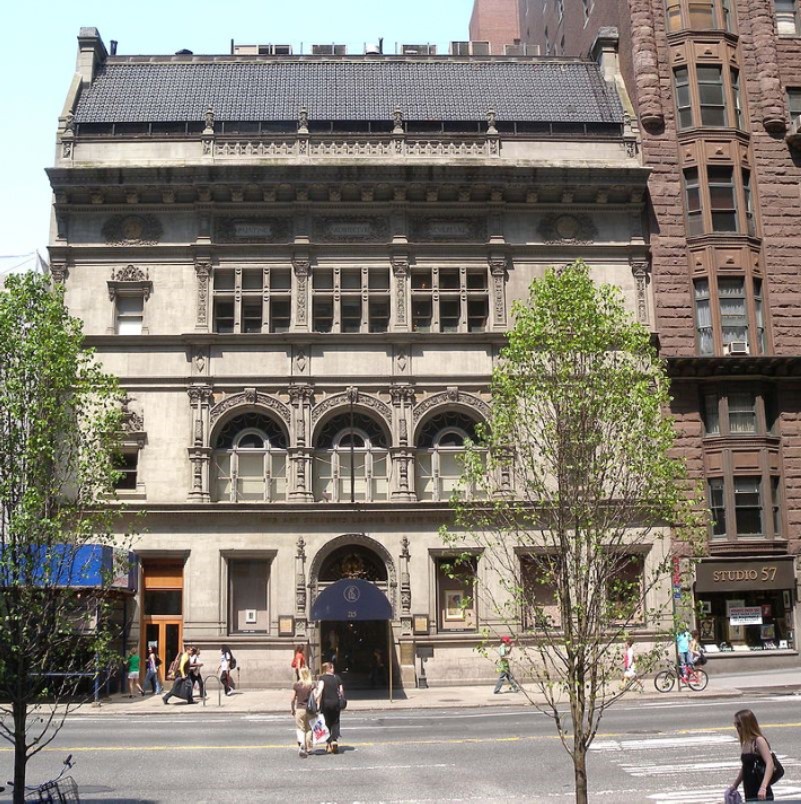
The Art Student League building in New York City. Notable Alumnae include Mark Rothko, Roy Lichtenstein, Georgia O'Keefe and Jackson Pollock.

The Art Student League building in New York City. Notable Alumnae include Mark Rothko, Roy Lichtenstein, Georgia O’Keefe and Jackson Pollock.

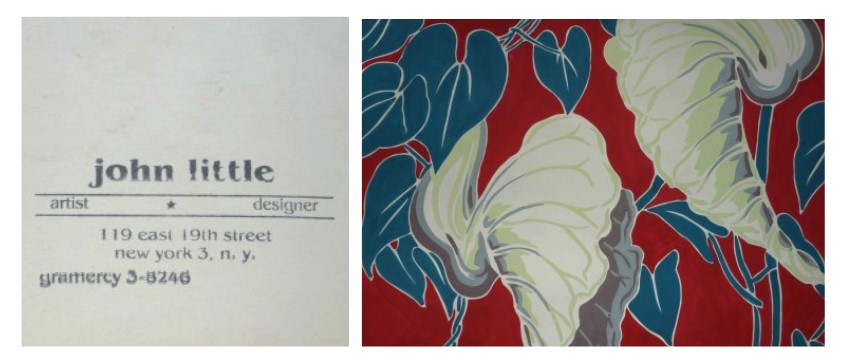
After working at Dedham, Ed decided to head for New York City. While there, he was a member of the Arts Students League. Another member of the league, at the same time, was John Little, who studied there under Georg Grosz (a famous German expressionist painter who emigrated to America in the 1930’s,) and Hans Hoffman. Little was according to the New York Times, “an abstract expressionist artist who founded a New York company that made fabrics and wallpapers with designs inspired by abstract impressionism.” “In 1921, Mr. Little founded the fabrics-wallpaper company, which he called the John Little Studio. By the mid-1930’s the concern was attracting wide praise for fabrics that combined high-quality designs with affordable prices.” Little went on later to paint with his friend and neighbor, Jackson Pollock. Edward Devlin designed fabrics and wallpaper at John Little Studios, during the 1930’s, at the highpoint of the company.

Fabric Designed at The John Little Studios. Date Unknown.

Fabric Designed at The John Little Studios. Date Unknown.