Windham Life and Times – August 12, 2016

Roll of Honor | School-house No. 2 | Windham NH

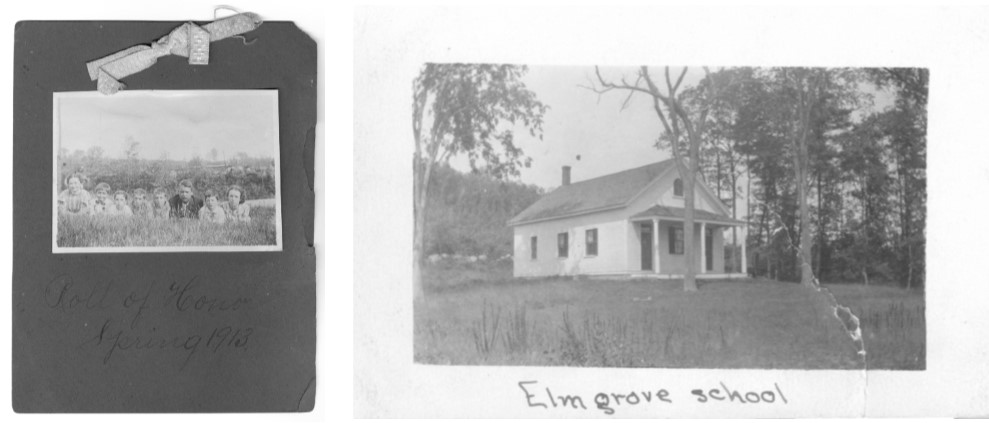
School-house No. 2 about 1910

School-house No. 2 about 1910

The hand-made award shown to the left was a “Roll of Honor” for the Spring of 1913. The Roll of Honor was for the students at the Number 2 District which was the one room school-house that once stood on a knoll, on Range Road, between Cobbett’s Pond Road and Golden Brook Road. The photograph above was taken right around the same date and the photograph has noted that the Number 2 School was also know as the “Elm Grove” School. So who was on the Roll of Honor for 1913. The list of names are as follows:

Elsie M. Ackerman

Ethel M. Hawley

Ardell M. Messenger

Maurice Ackerman

Clinton Messenger

Ray M. Messenger

Frank A. Hawley

Harry Wood…

—illegible—


Windham Life and Times – August 4, 2016

100 Years Ago in Windham

Summer Happenings 1916 | Fire Destroys Farm |  W.S. Harris
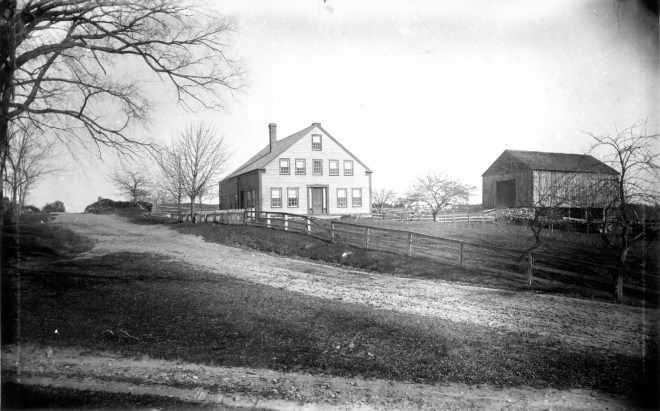
The farm shown was built by Gilbert Alexander in 1830, on land that was originally part of a larger tract of land, granted earlier to the Nesmith family. His brother Samuel  owned an adjoining farm which was also on the original Nesmith grant. Samuel built his buildings in 1854. Nellie Mae, who died in the summer of 1916 was Samuel’s only child. They all descended from Randal Alexander, one of the first 16 settlers of Londonderry.

The farm shown was built by Gilbert Alexander in 1830, on land that was originally part of a larger tract of land, granted earlier to the Nesmith family. His brother Samuel owned an adjoining farm which was also on the original Nesmith grant. Samuel built his buildings in 1854. Nellie Mae, who died in the summer of 1916 was Samuel’s only child. They all descended from Randal Alexander, one of the first 16 settlers of Londonderry.

WINDHAM, JUNE 6.— Miss Nellie May (Alexander) Parker, wife of Charles O. Parker, passed away Friday, June 2, at the age of 55. She was the daughter of Samuel S. and Clara (Holden) Alexander and on her father’s side was descended from Randal Alexander, one of the 16 first settlers of Londonderry. She was born April 12, 1861, in the same house in which she died, being the only child of her parents. On April 20, 1893 she married Charles O. Parker, a prosperous farmer of this town and they continued to reside on the Alexander home. The bereaved husband now left alone, has the sympathy of his many friends in the loss of his faithful helpmate. Mrs. Parker was an efficient and capable woman, and while unassuming in her nature, she had the esteem of all. The funeral on Monday afternoon was attended by a very large number of relatives, neighbors and friends and beautiful flowers bespoke their regard. The service was conducted by Rev. Frederick I. Kelly, of East Derry, and burial was in the Alexander lot on the Plain.” (The Alexander farm was on the corner of what is today County and North Lowell Road.)

“The brown-tail caterpillars are less abundant than last year, but we fail to note any diminution in the number of gypsy caterpillars, which in some respects are the worst of all our tree pests.”

WINDHAM, JUNE 21.— It is the custom of the senior class of Pinkerton Academy to hold just before graduation, a party called a “howl,” the plans for which are kept secret from the boys of the lower classes, who try to break it up. This year the seniors came to Windham Town Hall, about 45 being in the party, including 3 teachers. They were followed by quite a number of juniors and others, who found policemen guarding the entrance to the hall, and were unable to interfere with the pleasure of the seniors, who played games, recited pieces, danced and had a general good time, not forgetting to treat the tantalized outsiders to some of the ice cream.

Pinkerton on Friday will graduate a class of 50, the largest number in its hundred years history. Among them are two from this town, Oscar Frederick Low and Freida Low.”

“WINDHAM JUNE 27.—Wilbur F. Senter, with Mrs. Senter and four of their six children, came from Brunswick Maine, Sunday in their auto. The route was via Portsmouth, Amesbury, and Haverhill, and the distance about 140 miles. After a short visit with the parents and sister they returned home today.”

Mrs. Worledge went to Hampton Beach today to open her boarding house, the Windham, for the summer. Miss Edna Armstrong accompanied her to remain a few days.”

“WINDHAM, JULY 5.— Eleven pupils of the town schools received diplomas certifying to their completion of the grammar grade studies and their fitness to enter upon a high school or academy course. They are as follows: From No. 3 school, George Henry Butterfield, Marion Jeannette Butterfield, Hannah May Cronin, John Francis Keane, Mary Helen Keane; from No. 5, Florence Evelyn Clark, Bertha Evelyn Horne; from No. 6, Samuel Edward Alley,  Florence Garland, Myron Sidney Garland, Anna Orne Haskell. Principal Poor, of Pinkerton Academy, gave a very interesting address to the graduating class, on the elements of success, speaking of the importance of  a good foundation, application, perseverance, self-reliance, punctuality, courage, character, and illustrating the different qualities by references to the deeds and words of great men. Several pieces were sung by the assembled schools, under the direction of Miss Marguerite E. Clark, of Derry. The exercises ended with the singing of a class song composed for the class by Mrs. M.A.A. Senter. Attractive decorations arranged by Miss Senter and Mrs. Garland consisted of a bank of daisies and hemlock across the center of the stage, and bouquets of peonies, poppies, and other bright flowers at the sides.”

“The Abbott family are spending their 14th summer on Cobbett’s North Shore. Relatives recently entertained by them were Mr. and Mrs. R. Murray Wright of New York City, and Mr. and Mrs. Walter A Hendrickson of Worcester. Fred E. Freeman, of Chicago, is spending two weeks with his parents at Glenwood camp. The John D. Osgood family of the same city are expected soon at the pond to make their usual visit.”

“WINDHAM, JULY 18.— Charles K. Baker, one of the oldest residents of West Windham, died July 12. He was a widower who left two sons.”

“A sad occurrence of Friday night was the total destruction by fire of the buildings on the Joseph L. Cottle farm near Golden Brook Mills, with most of their contents. The place is owned by a Hungarian family named Tokenell (Tokanel) Only a boy, John, about 18 years of age, was home, the others being at work in Lowell. Coming through the shed at about 10:30 the boy stumbled and broke the lamp which he carried, and the buildings were soon in flames.” (This farm was located on the corner of Range and Golden Brook Road. The family later purchased another farm near the Pelham line, on Lowell Road in Windham. )

 

Windham Life and Times – July 29, 2016

100 YEARS AGO IN WINDHAM

scan0759

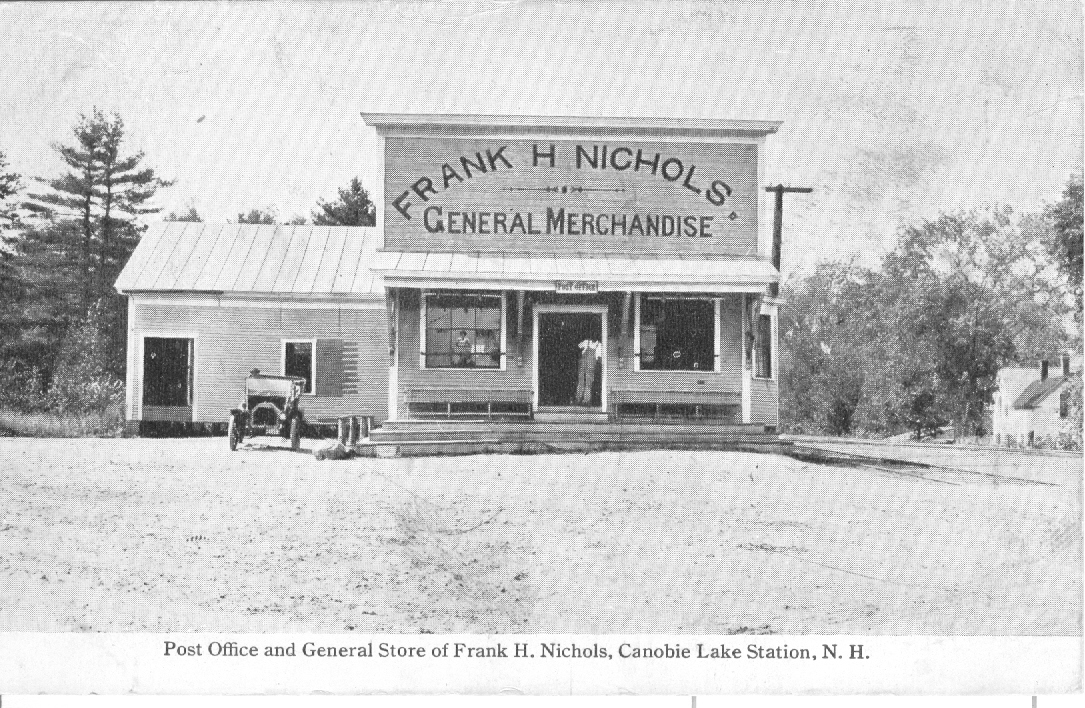
“WINDHAM, MAY 24, 1916: The talk of the town for some days has been the bold robbery by light-fingered gentry on Saturday afternoon at the store of Frank H. Nichols at Canobie Lake station. As we hear the story, three automobiles filled with gypsies—men, women and children—stopped at the store and while the men were being supplied with gasoline by Mr. Nichols they abstracted $200 from a purse in his pocket, leaving some checks untouched. The loss was discovered after the departure of the gang, and they were followed and with officers from Lawrence overtaken and arrested at Andover. The gypsies paid over the stolen money and costs, and were allowed to depart.”


Windham Life and Times – July 22, 2016

Community Beach

Very Early Picture of Community Beach.  Gerrish Littlefield's Cottage.

Very Early Picture of Community Beach. Gerrish Littlefield’s Cottage.

Buy Enough Vegetables, Coffee or Tea and own a Place on Cobbett’s Pond.

In 1929, some 60 acres of land off Ministerial Road was divided into 975 lots with a beach and a playground. The waterfront lots cost $50, and the back lots were $20. The Great Depression hit, and the lots were slow to sell.

Community-3

The developer began a promotional deal in the Malden-Medford area where grocery stores redeemed coupons for a lot after a set amount of coffee, tea or canned goods were purchased. Gerrish Littlefield’s cottage was built in Community Beach in October of 1930 after he redeemed “Hatchet” brand coupons in Malden. Most of the photographs are from Carolyn Webber.

community-2


Windham Life and Times – July 15, 2016

The Alosky Family Enjoys Summer on Cobbett’s Pond

Joe and Mary Alosky Relax on Cobbett's Pond

Joe and Mary Alosky Relax on Cobbett’s Pond

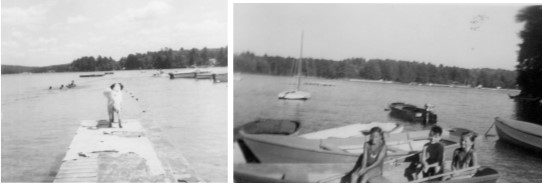
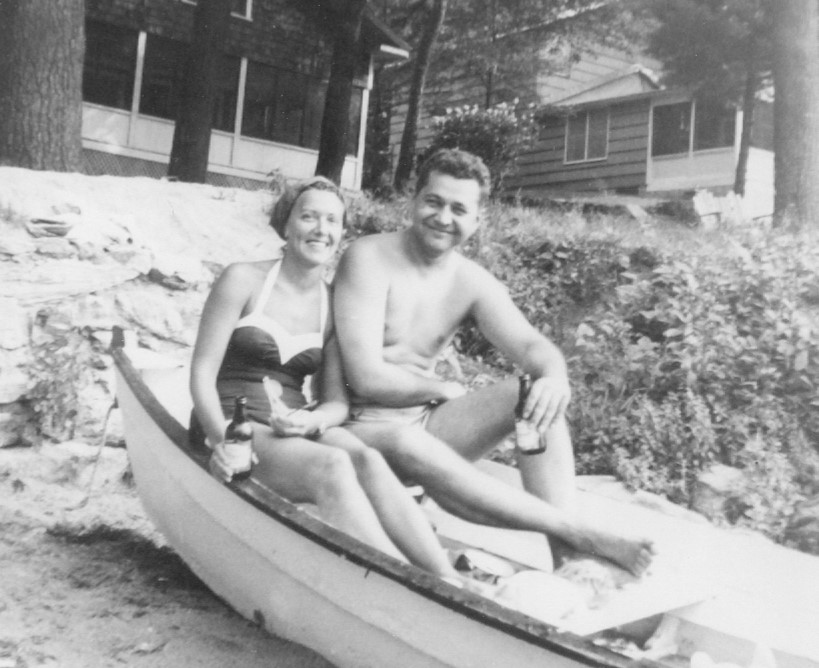
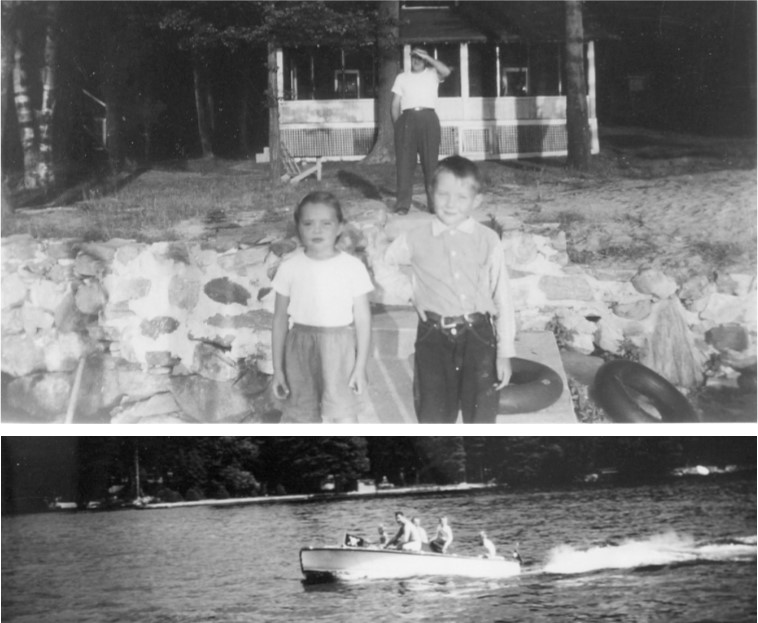
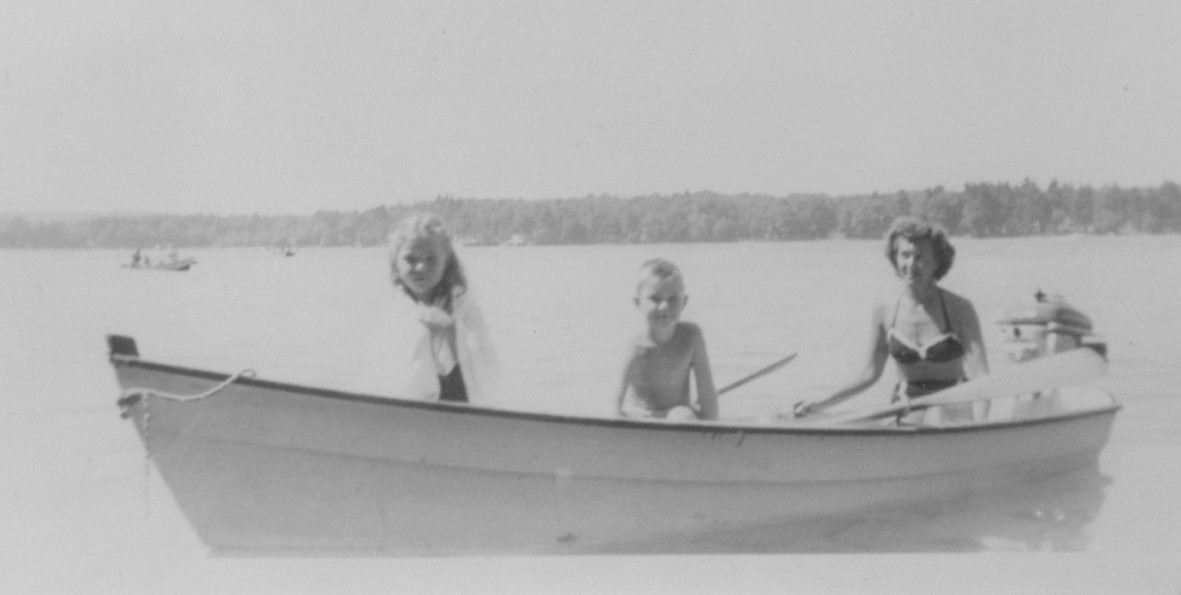
The photographs show Joe Sr. and Mary Alosky with their kids, Joe Jr. and Mary Ann, on Cobbett’s Pond. Some of the photos were taken at a camp on Farmer Road. Those wooden row-boats were everywhere at the time. I still remember the one’s my grandfather had. The Aloskys eventually purchased a summer home on Viau Road. On the same road where Sue Binns and her family had a summer camp. Joe’s request for a date with Sue, grew into a romance and 44 years later their marriage is still going strong. The camp on Viau Road, was built by Sue’s mother’s family, the Walkers.  James Walker purchased that property from William Emerson in 1922. Jason and Halie Alosky, along with their children Lily and Walker now live on the very same property. I will always be indebted to Sue for helping me purchase my property on Viau Road, from the Klemms.  Oh yeah, and I am also forever grateful for her fixing me up with her cousin, my wife, Kristie! Only 26 years but it seems like forever! And, the wheels keep on turning, on Cobbett’s Pond.

Joe and Mary Ann. The Family Boating on Cobbett's.

Joe and Mary Ann. The Family Boating on Cobbett’s.

A Classic, Cobbett's Pond Wooden Rowboat

A Classic, Cobbett’s Pond Wooden Rowboat

Windham Life and Times – June 24, 2016

ROCK POND | PART FOUR

scan0727

A BOLT-HOLE WHERE THE CHIEF COULD KICK BACK AND RELAX.

Willis Low was first appointed to the police force before 1941. In the early days, there was no police station so, “most of the police strategy was discussed at the homes of whichever officer was in charge of the particular case. Most of the time it was either the chief’s house or the Zins kitchen. Here would be laid the plans for speed traps, searching a home or camp for stolen goods, etc., but especially careful plans would be made for raids on stills…”

“Most police calls were received by Willis Low with his mother, Mrs. Ethel Low, taking calls and relaying the messages to the other men on duty. This was all done by telephone. You can imagine the interest the neighbors took in town affairs when they heard a cop’s number ringing. All of them were on party lines and one was a sixteen party line with all sixteen rings heard in each home. After Willis married, he of course moved all his police records to his new home on Nashua Road and that is still considered Police Headquarters (1975). His wife took over the answering service and is still on the job although the volume of calls has increased so much there is now a hookup to the police building behind the fire station.”

low-rock-2

    Willis Low remained the chief into the 1970’s and experienced the tremendous growth in calls after the construction of Interstate 93. As you can imagine, there were times when the chief wanted to escape from all of the demands of the job, which as noted above followed him home. He wanted a place where nobody could find him. Rock Pond is very isolated and really hard to find, unless you know it’s there.  He bought the Harry Simpson cottage and updated it into a modern, comfortable summer home. This is the place where he could kick back and relax out of the public view.

The Harry Simpson Cottage (1929) was remodeled by Willis Low.

The Harry Simpson Cottage (1929) was remodeled by Willis Low.

Windham Life and Times – June 17, 2016

ROCK POND

rock-1

PART

THREE: THE BEST MEMORIES OF TIME SPENT ON THE POND

“Spring, summer and fall were the best times. Even though they (Moe and Lucien Caron) liked having there personal space, they were very social and encouraged anyone who was around to go over on weekends for outdoor grilling, swimming and boating. Lucien made a rotisserie capable of roasting very large chunks of meat or you could grill up shish kebabs on 3 or 4 spits. There were also French fries. Moe had a restaurant style fry-o-later with two baskets. That thing made the best fries. Saturday evenings at the pond, as well as in Nashua during the winter, was for baked beans. The uncles liked their beer too and after I graduated from Keene State, I set them up with a refrigerated draft system. This way they could drink better beer at a better price. (there was a metal scotty dog bank left out where people could donate money anonymously for the beer they had drank.) It also was one more thing that made this place great.”

rock-2

“My brothers and I were all boy scouts and one of the badges that was available was one called Mile Swim. It turns out that one lap around Rock Pond is a mile, so we all got our mile swim there; my uncles opened their place to anyone in our troop to come up for a day each year and swim for the badge. Uncle Lu made oak wood medals to hand out to those who made the swim.

“We had the coolest boats on the pond made from aircraft fuel drop tanks. The uncles built pontoon boats out of them. The paddle boat had a wooden deck sitting on two tanks. Standard folding chairs would fit into a channel that would keep them in place. A set of bicycle pedals were set up in front of the chairs with chains going below deck and another chain going to the back of the boat to a big paddle wheel. The rudder was operated by a lever control situated between the two chairs. The boat with the wood deck didn’t survive the years and those tanks eventually became floats for a dock.”

“The sailboat was all aluminum and still survives today. It had a sunken deck between the pontoons and a very large sail mounted at the front of the upper deck. The boat was heavy, stable and very fast on a windy day. Many people had manged to get a little bit of water to come over the deck but it was generally agreed that it could not be flipped over. I put an end to that when I was out there by myself one day. I got a good strong gust heading into a turn. I held the rudder tight into the turn, let out the sail and quickly pulled it back in as the turn was nearly completed. The front right side was dipping below the water and then the boat started to dive head first. It then flipped sideways and then upside-down.  I was fully clothed and nearly lost my glasses as I swam to the surface. About three row boats from around the pond came out to help. We had to unhook the mast while out in deep water so we could haul the boat close enough to shore. We were then able to flip the boat right side up and tow it back to Moe’s. We put the mast back on and it was ready for another day.”

“With all the fun things to do at Rock Pond, it was mostly fun because of my uncles. All the things were still there when they died but it just wasn’t the same any more. Fewer people came by and the family was spreading out around the country. One nephew moved to London for work. There were long stretches of no one going there at all. Eventually, it became clear that we just couldn’t sustain the vitality that once was. We still have our memories of the best times of our lives though. That lives on.” Thanks again to Bob Caron for the memories. This series on Rock Pond is almost over. Do you have old photos and stories to share? E-mail them to me.

Rock-3


Windham Life and Times – June 10, 2016

Rock Pond

PART TWO | WINTER ON ROCK POND

rock-pond-skate

    “The camps were seasonal and impossible to drive down to in the Winter so at the first sign of snow, they bugged out and went back to live with their sisters. As soon as it looked like Spring had gotten a foothold, they were back at Rock Pond. In the Winter, they would take us skating and ice fishing there. We would park at the end of Rock Pond Road and walk across the pond to their camps. This was a shorter hike than coming in from Woodbury Road which wasn’t plowed. We had a good bobsled run also from Lucien’s side right down to the pond. That led to a couple broken legs over the years.”

Cis, Dot, Joyce Skating 


Windham Life and Times – June 3, 2016

Rock Pond

PART ONE

Lucien, Moe and Their Family Build Two Homes on Rock Pond in the 1950’s

The two summer homes built by the Caron Brothers on Rock Pond in Windham NH

The two summer homes built by the Caron Brothers on Rock Pond in Windham NH

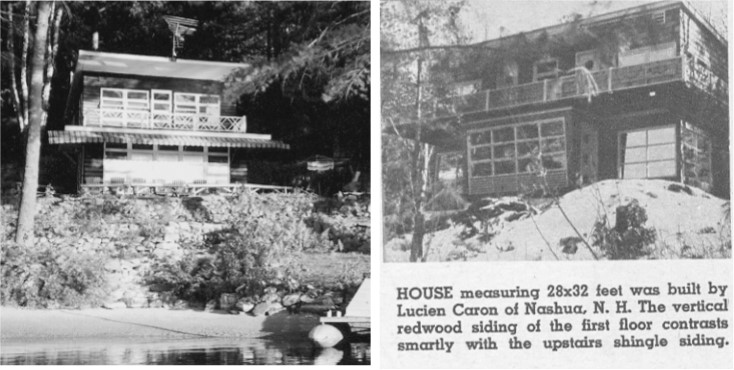
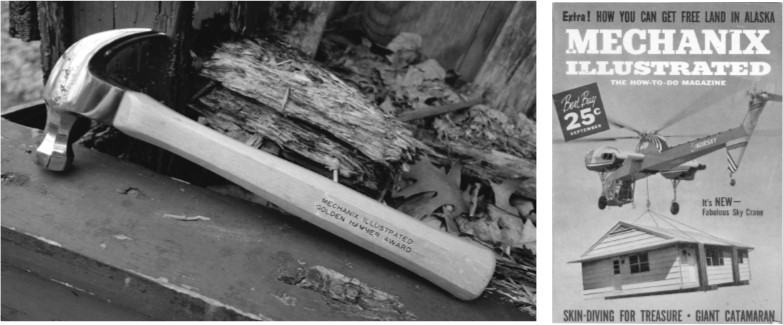
The Carons were a French Canadian family from Quebec who emigrated to Nashua NH. Robert Caron relates that, “Lucien and his older brother were born in Canada. My father, Moe and two sisters were born in Nashua. When my father got married, he bought a house in Nashua big enough for the whole family. We occupied the second floor apartment and my grandparents, and all the uncles and aunts lived downstairs. The oldest uncle moved out, Grandpa died and that left grandma, Moe Lucien, Cis, and Dot living together. After the war, the uncles must have felt the need for some personal space and found land on Rock Pond in Windham. They bought two lots at first but even that was too close so they bought another with no-man’s land between them. It seems they were looking for space but not too much space. They designed and built two houses with the help of my father and a few friends. Lucien was a wood worker, Moe was a machinist, and my father was an auto body mechanic. Between them, there was nothing they couldn’t build. The stone walls and stairways were built from stones that came from an excavation around Robinson Pond in Hudson. Moe had a dump truck at the time to move all the stones. Lucien was in charge of planing and milling the lumber for siding and interior trim work. Lucien submitted his house design to Mechanix Illustrated magazine and won their Golden Hammer award.”

Pictured below are the two summer homes that the Caron brothers built on Rock Pond. Moe’s is pictured on the left, and Lucien’s which won the Golden Hammer award is pictured on the right.

golden-2

“Mechanix Illustrated was an American magazine founded in 1928 to compete against the older Popular Science and Popular Mechanics. Billed as “The How-To-Do Magazine,” Mechanix Illustrated aimed to guide readers through various projects from home improvements and advice on repairs to “build-your-own (sports car, telescope, helicopter, etc).” It was headquartered in New York City. Although it featured many how-to articles, the most eagerly awaited and read features were Tom McCahill’s monthly automobile tests which ran from the late 1940s to the early 1970s.” Wikipedia